Endovenous Laser Therapy (EVLT)
What is EVLT?
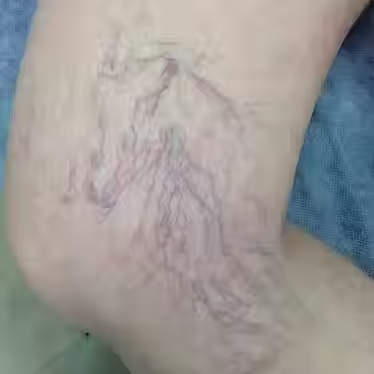
Endovenous Laser Therapy (EVLT) is a minimally invasive procedure used to treat varicose veins. It involves inserting a fine laser fibre into the affected vein under ultrasound guidance. The laser energy then seals the vein from within, redirecting blood flow to healthier veins.
Which veins are treated
EVLT primarily targets the superficial venous system, specifically:
The Great Saphenous Vein (GSV)
The Small Saphenous Vein (SSV)
Associated or accessory veins may also be treated during the procedure.
Once the main underlying veins are closed, any remaining visible varicosities may be treated using additional techniques such as foam sclerotherapy or further targeted therapy, depending on the size and location of the veins.

Your Treatment Journey
Step-by-Step Care Pathway
First Appointment – Initial Consultation
Your first visit includes a detailed consultation with a full medical history, clinical examination, and a venous ultrasound scan. This allows for accurate diagnosis and a personalised treatment plan.
Second Appointment – Treatment
Treatment typically involves Endovenous Laser Therapy (EVLT) and/or Ultrasound-Guided Sclerotherapy, depending on your individual condition.
Third Appointment – Review
A follow-up appointment is arranged to assess treatment success. Any remaining veins can be treated in the clinic using ultrasound-guided sclerotherapy.
Optional Treatment
Microsclerotherapy (Spider Veins)
Once the underlying “feeder” veins have been treated, residual spider veins can be addressed using microsclerotherapy. Multiple sessions may be required depending on severity.
What Happens to Blood Flow After EVLT?
Following treatment, the affected vein is sealed, preventing backward blood flow. Circulation is naturally redirected to healthier veins, improving overall blood flow in the leg.
Procedure Duration
The procedure typically takes approximately 30 minutes per leg, depending on the complexity and extent of the veins being treated.
How the Procedure Works
Ultrasound is used to identify and map the target vein
A local anaesthetic is applied to numb the area
A fine catheter is inserted into the vein
A laser fibre is guided into position
Additional local anaesthetic is administered along the vein (a cooling spray is used to minimise discomfort)
Laser energy is delivered to seal the vein, and the fibre is gradually withdrawn
After the Procedure
A compression stocking or bandage will be applied immediately after treatment.
Worn continuously for the first 3 days and nights
Then, during the daytime, only for a further 4 days
Aftercare & RecoveryWhat to Expect
In the days following treatment, it is normal to experience:
Mild pain or aching along the treated vein
A feeling of tightness in the leg
Localised redness or tenderness
Bruising, which may vary depending on the extent of treatment
Small, firm lumps under the skin (temporary and part of the healing process)
These symptoms are part of the normal inflammatory response and typically settle within 1–2 weeks.If needed, paracetamol or NSAIDs (e.g., ibuprofen) can be taken for discomfort. Compression and regular moisturising of the skin are also recommended.
Activity & Recovery
You can return to normal daily activities immediately
Avoid hot baths and high-intensity exercise for the first week
Avoid long flights or extended travel during the first week due to a small increased risk of DVT
Risks & Safety
EVLT is a safe and well-established procedure, but as with any medical treatment, there are potential risks, including:
Skin discolouration
Temporary nerve irritation (pins and needles sensation)
Minor skin irritation or redness
Infection (rare)
Deep vein thrombosis (DVT) (very rare)
Serious complications are uncommon, and the procedure has a strong safety profile.
Benefits of EVLT
No general anaesthesia required
No surgical incisions
Minimally invasive with reduced discomfort
Faster recovery compared to traditional surgery
No significant downtime
Follow-Up Care
A follow-up appointment is typically scheduled 2–4 weeks after treatment to assess results and determine if any additional treatment is required.Many patients benefit from further sclerotherapy to treat smaller residual veins during this visit.
Results
EVLT offers excellent outcomes, with over 90% of patients achieving successful results and significant symptom improvement.